.jpg)
Borewell Drilling Near Me
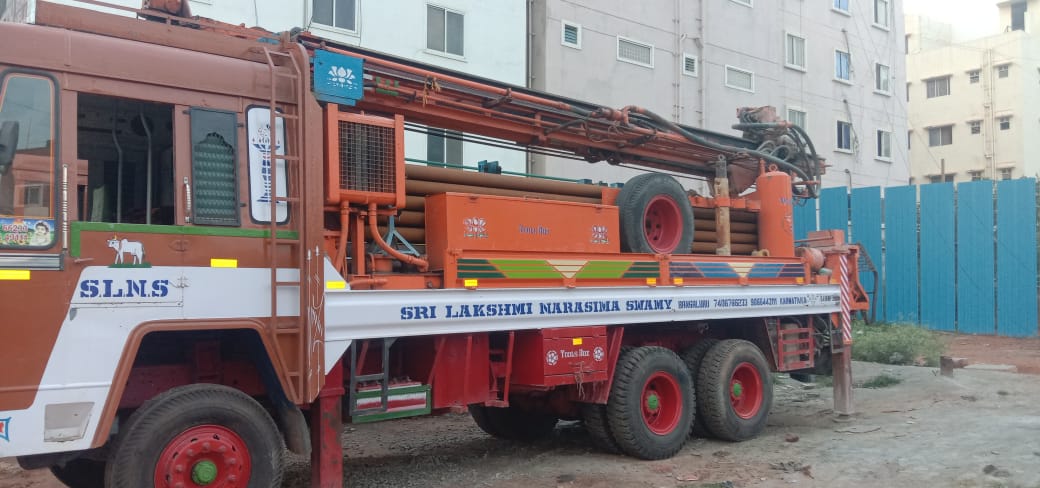
Borewell Drilling: An Essential Guide
Borewell drilling is the process of creating a narrow, deep hole in the ground to access underground water sources. It is a critical practice for fulfilling water needs in agricultural, industrial, and residential settings, particularly in areas where surface water is scarce. This guide provides an overview of the borewell drilling process, its importance, and key considerations.
Importance of Borewell Drilling
Access to groundwater is vital in regions with unreliable rainfall or limited surface water resources. Borewells serve as a sustainable water source for irrigation, household use, and industrial operations. They also help mitigate water scarcity in arid and semi-arid areas. Properly drilled and maintained borewells can provide water for decades, making them an essential resource for sustainable development.
Steps in Borewell Drilling
-
Site Selection: The success of a borewell begins with identifying an appropriate site. Hydrogeologists or geophysical surveys are often employed to assess groundwater availability. Advanced techniques, such as resistivity mapping, help determine the best drilling location.
-
Obtaining Permissions: Before drilling, it is essential to acquire the necessary permits from local authorities. Many regions have strict regulations to prevent over-extraction of groundwater.
-
Choosing the Drilling Method: There are two primary drilling methods:
- Rotary Drilling: Suitable for deep borewells, this method uses a rotating drill bit to penetrate rock layers.
- Percussion Drilling: Effective for hard rock, this method involves hammering a drill bit into the ground.
-
Drilling: Drilling begins once the equipment is in place. The depth and diameter of the borewell depend on the intended use and the geological conditions. Drilling rigs equipped with advanced technology ensure precision.
-
Casing and Grouting: A casing pipe is installed to prevent the borewell walls from collapsing and to protect against contamination. Grouting seals the space between the casing and borewell walls to avoid surface water infiltration.
-
Pump Installation: A suitable pump is installed to extract water. The choice of pump depends on the borewell depth, yield, and purpose.
-
Water Testing: After drilling, the water quality is tested to ensure it is safe for the intended use. This step is crucial for preventing health issues and equipment damage.
Key Considerations
- Depth and Yield: Understanding the aquifer’s capacity is crucial to prevent over-extraction and ensure long-term water availability.
- Environmental Impact: Unregulated drilling can deplete groundwater levels and harm ecosystems. Adhering to legal and environmental guidelines is essential.
- Maintenance: Periodic cleaning and servicing are necessary to prevent clogging and maintain water quality.
Challenges in Borewell Drilling
Borewell drilling comes with challenges such as unpredictable aquifer behavior, the risk of dry borewells, and equipment malfunction. Additionally, the high cost of drilling and maintenance can be a barrier for many.
Conclusion
Borewell drilling is a vital solution to water scarcity, offering a reliable source of groundwater. However, sustainable practices, advanced technology, and regular maintenance are key to ensuring that borewells remain an effective and eco-friendly resource for years to come.